Is Kratom Really Safe? What You Should Know
September 2, 2026
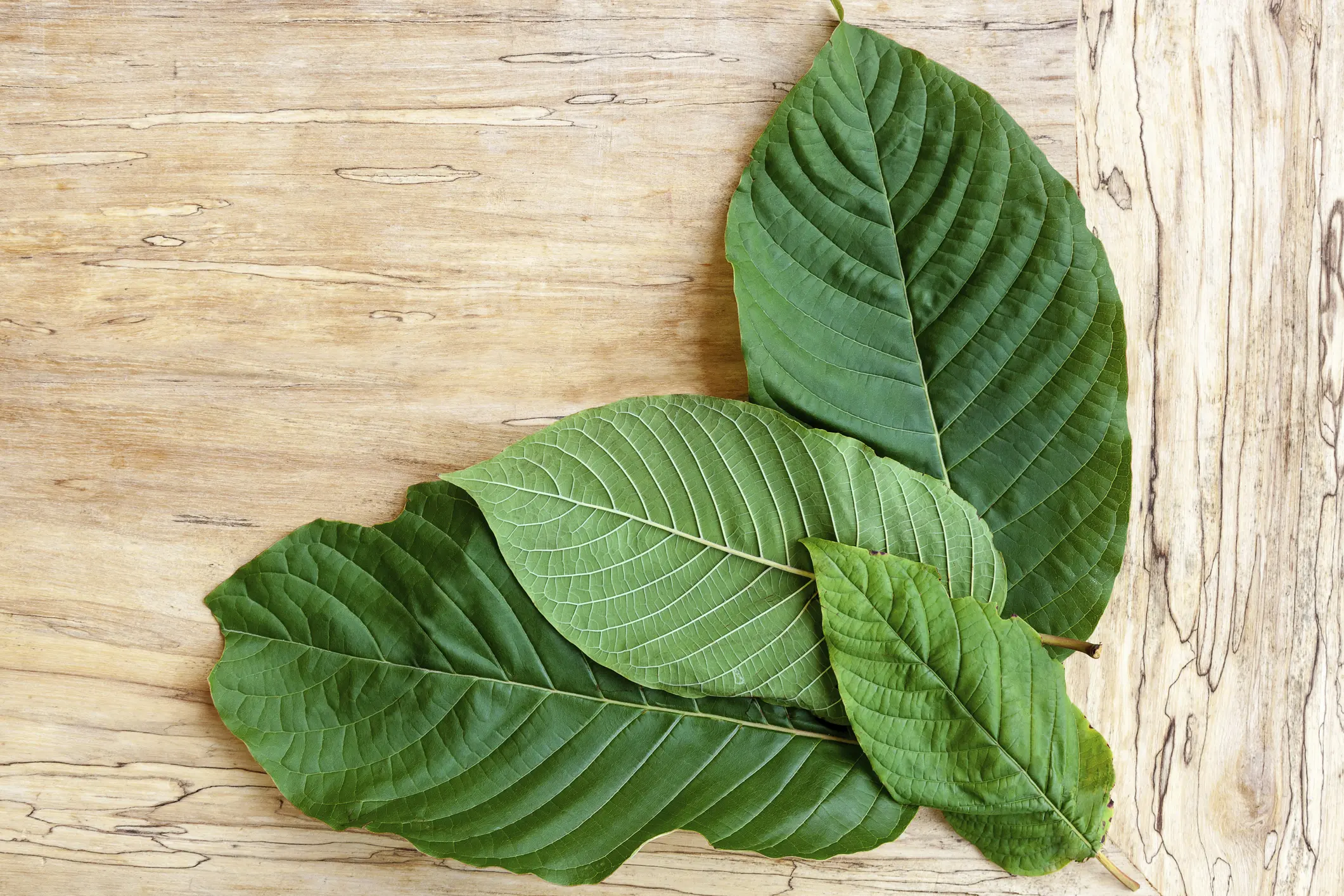
If you’ve come across kratom online or in a local shop, you’ve probably seen it described as a gentle, plant-based way to ease pain, anxiety or fatigue. That framing feels reassuring, especially when you’re looking for relief without a prescription.
But the way kratom is marketed doesn’t always match what it can do to your body and mind. To help make sense of the risks, we spoke with Cleve Tyre, the Director of Pharmacy in Short Stay Behavioral Treatment Services (SSBTS) at Anchor Hospital in Atlanta. Tyre sees firsthand how kratom can affect patients, and he shared what he wants people to understand before they reach for it.
Why Do People Believe Kratom Is Harmless?
The short answer is marketing. Kratom is often promoted as a natural remedy for a range of conditions, including anxiety, stress, depression, fatigue, pain and even addiction.
“That messaging paints a comforting picture,” Tyre says. “A plant-based product marketed for so many ailments can seem like a low-risk option, especially compared to prescription medications.”
The reality is more complicated. Kratom, particularly when combined with other drugs, whether prescription or recreational, can significantly increase the risk of adverse reactions, including poisoning. Reports to poison centers have been rising. According to the CDC’s Morbidity and Mortality Weekly Report on kratom-related poison center reports, calls to U.S. poison centers involving kratom climbed over the past decade. You can also learn more about the drug through the National Institute on Drug Abuse’s overview of kratom.
How Kratom Is Marketed to Consumers
Kratom products are frequently sold as herbal supplements, which can make them feel closer to a vitamin than a drug. According to Tyre, that’s part of the problem.
Here’s what makes the marketing misleading:
- Broad health claims: Kratom is advertised for anxiety, stress, depression, fatigue, pain and even addiction recovery. Few products can genuinely address that many concerns, and these claims can create false confidence.
- The “natural” label: Being plant-derived doesn’t mean a product is gentle or risk-free. “Many potent substances come from plants,” Tyre notes.
- Hidden potency: The naturally occurring concentrations of active substances in kratom may carry relatively lower risk. But many manufacturers synthesize far more potent concentrations, specifically 7-hydroxymitragynine, known as 7-OH.
“Because these products aren’t regulated by the FDA, the amount of 7-OH listed on a label may not reflect what’s actually inside,” Tyre says. The FDA has taken action on these concentrated products, as detailed in its notice on seizing 7-OH opioids to protect consumers and its broader guidance on kratom and 7-OH.
Known Side Effects and Health Risks of Kratom
Kratom has been linked to a number of physical side effects. If you’ve been using it, some of these may already feel familiar.
Reported physical effects include:
- Digestive issues: Nausea, vomiting and constipation are common complaints
- Weight changes: Some people experience weight loss with regular use
- Cardiovascular effects: High blood pressure has been reported
“These symptoms can range from mildly uncomfortable to serious, particularly when kratom is combined with other substances,” Tyre explains. “When you don’t know the true potency of a product, it’s difficult to predict how your body will respond.”
Can Kratom Cause Psychosis and Serious Mental Health Concerns?
Yes, kratom can affect your mental health, and in some cases those effects can be serious.
Reported mental health effects of kratom include:
- Cognitive changes: Drowsiness, dizziness and confusion
- Mood effects: Depression can develop or worsen
- Breathing difficulty: Respiratory difficulty has been reported and can be dangerous
- Perception changes: Delusions and hallucinations, which are features of psychosis
Psychosis means losing touch with reality, often through delusions, which are false beliefs, or hallucinations, which are sensations that aren’t real. “Experiencing these symptoms can be frightening, both for the patient and for the people who care about them,” Tyre says.
Warning Signs to Watch For
Noticing changes early can make a real difference. If you or someone you love uses kratom, these signs are worth paying attention to.
Watch for:
- Confusion or disorientation: Trouble thinking clearly or staying oriented to time and place
- Mood shifts: New or deepening depression, anxiety or agitation
- Perception changes: Seeing or hearing things that others don’t, or holding beliefs that don’t match reality
- Physical warning signs: Difficulty breathing, extreme drowsiness or a sudden change in blood pressure
If symptoms are severe, don’t wait. Stop taking kratom, then call 911 or go to the nearest ER for evaluation.
How SSBTS at Anchor Hospital Treats Kratom-Related Mental Health Symptoms
When mental health symptoms appear and the cause isn’t clear, it can feel unsettling not knowing what’s happening or why. Care that focuses on stabilization can help.
The Short Stay Behavioral Treatment Services (SSBTS) at Anchor Hospital can help stabilize patients experiencing mental health symptoms, whether they stem from a mental health concern or from the effects of a substance that may be unknown in origin.
According to Tyre, treatment can work in a few ways:
- Pharmacological support: Mental health symptoms may be treated with medication to help ease distress and restore stability.
- Natural clearance: Sometimes the mental health effects of an unknown substance resolve on their own as the body clears the substance through its normal metabolic and physiologic systems, such as the liver and kidneys.
“The goal is steadiness,” Tyre says. By treating symptoms and giving your body time to recover, the team at Anchor Hospital can help you regain your footing.
What Treatment Options Are Available If Kratom Is Affecting Your Mental Health
If you suspect kratom is affecting your mental health, the first step is straightforward. Stop taking kratom and contact your medical care provider.
From there, care depends on how you’re feeling:
- For severe symptoms: Call 911 or go to the nearest ER for evaluation. You may need care for acute medical issues, acute mental health symptoms or both.
- For symptoms resembling opioid effects: Because concentrated 7-OH behaves like an opioid, treatment similar to that for opioid overdose or opioid withdrawal may be necessary. The FDA discusses these concentrated products in its guidance on 7-OH products hiding in plain sight.
- For ongoing support: Once you’re stable, follow-up care can help you address any underlying mental health concerns and reduce the risk of returning symptoms.
“You don’t have to sort through this alone,” Tyre says. Reaching out for an evaluation is a step toward feeling like yourself again.
What to Do If You Suspect Kratom Is Harming You
Realizing that a product you believed was harmless may be affecting your health can feel disorienting. That reaction is understandable, and it doesn’t mean you’ve done anything wrong.
Here’s a simple way to move forward:
- Stop use: Discontinue kratom as soon as you can
- Reach out: Contact your medical care provider to talk through your symptoms
- Get emergency care if needed: For severe symptoms, call 911 or go to the nearest ER
- Plan for the long term: Consider ongoing support to protect your mental health going forward
Recovery is possible. With the right care, symptoms can improve, and you can feel steady again.
If kratom is affecting your mental health, Anchor Hospital in Atlanta can help you understand your options and take the next step. Together, we can figure out what comes next.
Frequently Asked Questions
Is kratom regulated by the FDA?
No. Kratom products aren’t regulated by the FDA, which means the concentration of active substances, especially 7-hydroxymitragynine (7-OH), may not match what’s listed on the label. This lack of oversight makes it hard to know how potent a given product really is.
Can kratom cause hallucinations?
Yes. Reported mental health effects of kratom include delusions and hallucinations, which are features of psychosis. Other effects can include drowsiness, dizziness, confusion, depression and respiratory difficulty.
What should I do if kratom is affecting my mental health?
Stop taking kratom and contact your medical care provider. If your symptoms are severe, call 911 or go to the nearest ER for evaluation. Depending on your symptoms, you may need care for acute medical or mental health concerns.
Why is combining kratom with other drugs dangerous?
Using kratom alongside other substances, whether prescription or recreational, can significantly increase the risk of adverse reactions, including poisoning. Because product potency varies and isn’t regulated, these interactions are hard to predict.
Who can I contact for help in Atlanta?
The team at Anchor Hospital in Atlanta offers behavioral health support, including stabilization for mental health symptoms. You can reach out through Anchor Hospital’s website to learn more about available options.