
What to Know About Fentanyl Use: Signs, Symptoms and Dangers
November 20, 2026
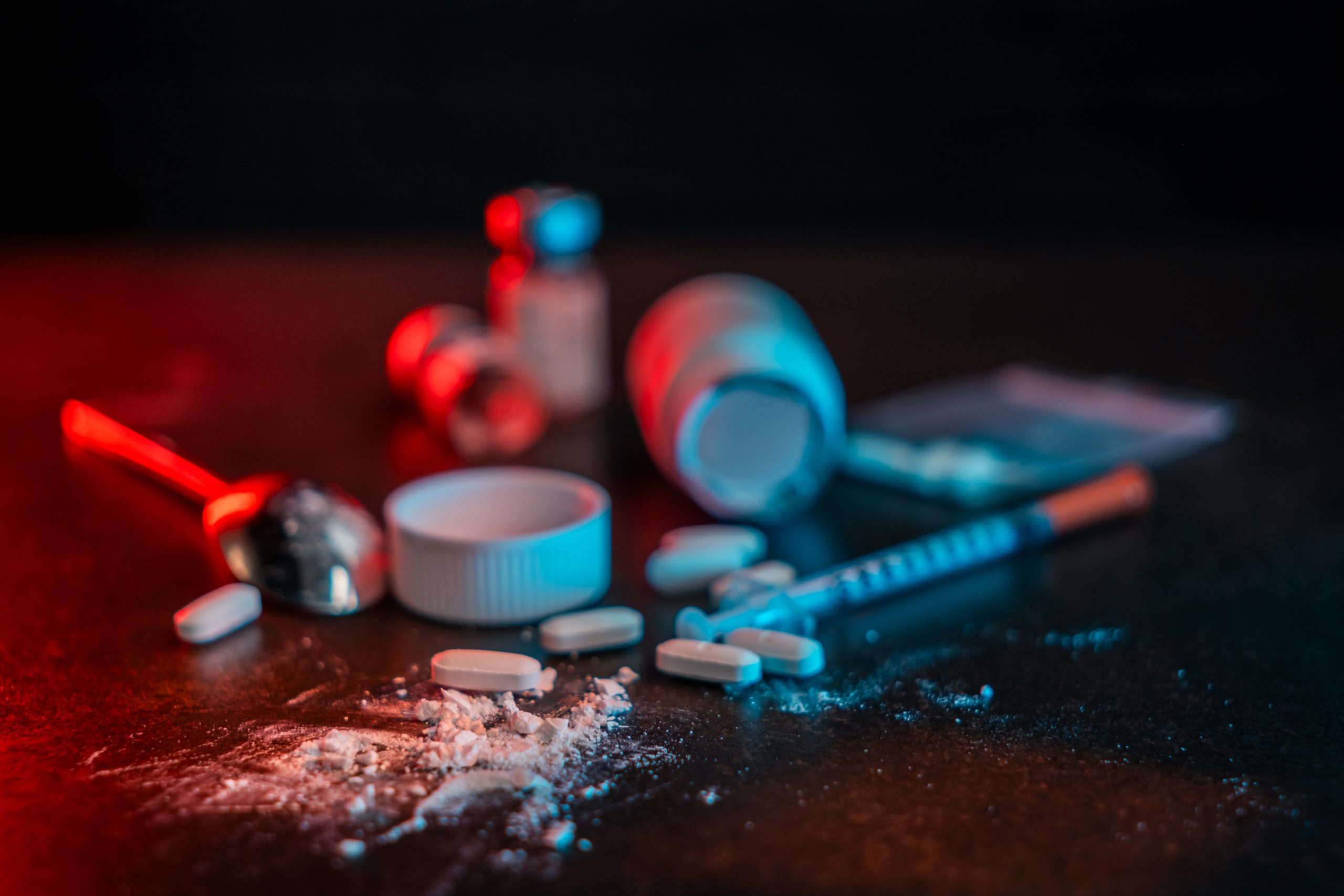
Fentanyl is a powerful opioid that can relieve severe pain but can also cause life-threatening breathing problems. Understanding fentanyl use means recognizing its effects, distinguishing overdose warning signs from other symptoms and knowing when to get help. If someone cannot wake up or is not breathing normally, give naloxone if available and call 911 immediately.
What Is Fentanyl?
Fentanyl is a synthetic opioid used medically for severe pain and anesthesia. Pharmaceutical fentanyl has legitimate uses under medical supervision, while illegally manufactured fentanyl is sold through an unregulated drug supply. Both can cause overdose, but illicit products add uncertainty about ingredients and strength.
Illegally made fentanyl may appear in powders or counterfeit pills designed to resemble prescription medications. It can also be mixed with other drugs, meaning someone may take an opioid without knowing it. A familiar-looking tablet is not proof that a medication is genuine. This distinction matters: A prescribed product has a known formulation, while a counterfeit pill offers no reliable assurance about what it contains.
Fentanyl Effects on the Body and Mind
Fentanyl effects can include pain relief, relaxation and euphoria. They can also include sedation, confusion and dangerously slowed breathing. The same drug action that reduces pain can interfere with the body’s ability to breathe adequately.
Possible effects include:
- Drowsiness or sedation: A person may seem unusually sleepy or less alert.
- Confusion or dizziness: They may struggle to follow a conversation or feel unsteady.
- Nausea or vomiting: Stomach symptoms may occur alongside other opioid effects.
- Constricted pupils: The dark centers of the eyes may become very small.
- Respiratory depression: Breathing may become slow, shallow or ineffective.
These fentanyl symptoms are not enough to identify the substance someone took. Other drugs and medical conditions can cause similar changes. Focus on responsiveness and breathing rather than trying to confirm fentanyl exposure before seeking help.
Why Fentanyl Use Can Become Dangerous
Fentanyl can cause serious breathing problems even when prescribed, which is why following product-specific instructions matters. Taking more than directed or combining it with alcohol or sedating medications can increase the risk of extreme sleepiness, coma and death. Tell the prescriber about every medication and substance being used, including nonprescription products.
Prescription fentanyl products are not interchangeable. Do not substitute one formulation for another or share medication with someone else, even if they have similar pain. Keep prescribed fentanyl secured away from children and anyone for whom it was not prescribed.
For someone receiving fentanyl medically, increasing sleepiness or new breathing difficulties should not be dismissed as routine side effects. Family members and caregivers should know the emergency warning signs before treatment begins. Ask the pharmacist how to use the prescribed product correctly and whether naloxone should be kept nearby.
How to Recognize and Respond to an Opioid Overdose
An opioid overdose is an emergency in which breathing becomes dangerously slow or stops. Warning signs include inability to wake up, slow or absent breathing, choking or gurgling sounds and pinpoint pupils. Lips or nails may look blue or purple, while darker skin may appear gray or ashen.
Do not assume unusual snoring means someone is safely asleep. If you cannot wake them or breathing looks abnormal, act immediately:
- Give naloxone if available and call 911. Follow the product instructions. If another person is present, have them call while you give it.
- Support breathing. Follow the dispatcher’s instructions for rescue breathing or CPR. Do not wait for naloxone to work before helping with breathing.
- Repeat naloxone if needed. If normal breathing does not return within two to three minutes, give another dose according to the instructions.
- Stay until help arrives. Once they’re breathing normally, place the person on their side and keep watching their breathing.
Naloxone can wear off before the opioid does, so overdose symptoms may return. Emergency evaluation remains necessary even if the person wakes up.
Medical Attention for Dependence and Withdrawal
Repeated fentanyl use can lead to tolerance, meaning a person needs more of the drug to get the same effect. Physical dependence means the body has adapted and withdrawal can occur when use stops or decreases. Dependence is not, by itself, the same as addiction.
Withdrawal may involve restlessness, sweating, chills and muscle aches. Nausea, diarrhea and difficulty sleeping can also occur. These symptoms differ from overdose: withdrawal often involves discomfort and agitation, while overdose centers on reduced responsiveness and impaired breathing.
If you take prescribed fentanyl regularly, do not stop abruptly without discussing a plan with your clinician. A supervised approach can address withdrawal and help determine whether additional treatment is needed. (dailymed.nlm.nih.gov)
Understand the Limits of Fentanyl Test Strips
Fentanyl test strips can help detect fentanyl in a drug sample, but they cannot establish that a substance is safe. They do not measure how much fentanyl is present and they are not completely accurate. A negative result should never be treated as permission to ignore overdose precautions or warning signs.
Treatment and Support Are Available
Treatment for opioid use disorder can include medication alongside behavioral support. Methadone, buprenorphine and naltrexone are treatment options with different requirements and benefits. A healthcare professional can help select an appropriate approach based on the person’s needs rather than expecting them to manage alone.
SAMHSA’s National Helpline at 1-800-662-HELP (4357) offers free, confidential treatment referrals around the clock. It is not a substitute for emergency services during an overdose.
The key takeaway is to learn the warning signs before an emergency happens. Make a response plan with the people around you and approach conversations about fentanyl without blame.
Substance Use Treatment in Atlanta
Anchor Hospital, located in Atlanta, provides compassionate programs designed to assist individuals who struggle with substance use. For a level-of-care assessment, call 678-251-3200. We are available 24/7 to assist you.
For physical health emergencies, CALL 911 or seek the nearest emergency room.
In case of a mental health crisis, CALL 988 or seek the nearest emergency room.