Minority Mental Health: Breaking Down Stigma and Barriers to Care
October 6, 2026

Mental health can affect anyone. Yet the way people understand, talk about and seek help for mental health concerns often depends on culture, family beliefs and community experiences. When you or someone you love feels unsure about reaching out, those differences can make the first step feel harder than it should.
That’s what makes minority mental health such an important topic. Understanding how culture, mental health stigma and barriers to mental healthcare shape a person’s willingness to seek support can help more people connect with care that fits their needs. This post looks at why those barriers exist, what mental health disparities reveal and how culturally responsive mental healthcare can make asking for help feel more approachable.
How Culture Shapes the Way We Think About Mental Health
Culture influences many parts of daily life, including how you understand health, family, relationships and emotional well-being.
Research suggests culture can also shape attitudes toward mental health treatment. A systematic review examining 97 studies involving Black, Asian American and Latino communities identified several recurring themes tied to mental health stigma. These included concerns about family, cultural beliefs about mental illness, limited knowledge about mental health and barriers involving access to and quality of services.
For some people, acknowledging emotional difficulty may feel uncomfortable. Others may worry about being judged by friends, relatives or members of their community. Both responses are understandable.
Recognizing the influence of culture doesn’t mean assuming everyone within a racial or ethnic group shares the same beliefs. Every person and family is different. Culturally responsive mental healthcare begins with listening to and respecting each person’s experiences, values and background.
Understanding Mental Health Disparities
Research continues to show differences in how racial and ethnic groups access mental healthcare in the United States.
One national study examining racial and ethnic disparities in outpatient mental healthcare found that the annual rate of outpatient mental health service use was:
- Non-Hispanic White individuals:3 per 100 people
- Non-Hispanic Black individuals:2 per 100 people
- Hispanic individuals:4 per 100 people
In other words, outpatient mental health service use among White individuals in the study was more than twice the rate observed among Black and Hispanic individuals.
These mental health disparities are layered, and no single cause explains them. Access to care, cost, stigma, cultural beliefs, knowledge about mental health, past experiences with healthcare and other barriers to mental healthcare may all play a role.
Mental Health Stigma Can Become a Barrier to Seeking Help
One of the most persistent barriers to mental healthcare is stigma.
Mental health stigma can make you worry about what family members, friends, coworkers or others might think if you seek treatment. It can also feed the misconception that mental health symptoms represent weakness or a personal failure. Neither is true.
Research supports the importance of addressing this. A systematic review and meta-analysis of stigma surrounding common mental disorders, involving 29 studies and more than 193,000 participants, found higher levels of stigma related to common mental disorders among racial minority groups compared with racial majority groups.
Mental health conditions are health conditions. Seeking help for an emotional or behavioral health concern deserves the same compassion and seriousness as seeking help for a physical one.
Recognizing When Someone May Need Support
Sometimes the barrier is simply not knowing that what you or a loved one is feeling could be related to mental health.
Symptoms can look different from person to person. Depending on the concern and the person, changes may include:
- Mood shifts: Persistent sadness or hopelessness, irritability or significant mood changes.
- Anxiety: Excessive worry, fear or a sense of dread that doesn’t ease.
- Sleep and appetite changes: Noticeable shifts in how much someone sleeps or eats.
- Focus and functioning: Difficulty concentrating or keeping up with responsibilities at work, school or home.
- Withdrawal: Pulling away from family, friends or activities once enjoyed.
- Substance use: Increased use of alcohol or other substances.
- Thoughts of self-harm or suicide: Any thoughts of hurting yourself deserve immediate attention.
Having one of these experiences doesn’t necessarily mean someone has a mental health condition. But symptoms that persist, grow more severe or interfere with everyday life may be a reason to speak with a qualified mental health professional.
Why Asking for Help Matters
You don’t have to know exactly what type of mental health support you need before reaching out.
An assessment can help identify what someone is experiencing and determine what level of care may fit their needs. Reaching out earlier may also create more chances to address symptoms before they become more disruptive to relationships, responsibilities and daily life.
For families, one of the most helpful things you can do is create space for honest conversations about mental health. Try to listen without immediately judging, minimizing or rushing to solve the problem. Small shifts in language can make a real difference.
Instead of saying:
“You just need to be stronger.”
Try:
“I’ve noticed things have been difficult lately. How have you been feeling?”
Instead of:
“People will think something is wrong with you.”
Try:
“There’s nothing shameful about asking for support when you need it.”
Small changes in how families and communities talk about mental health can help make seeking support feel more acceptable. This is a gradual process, and every honest conversation counts.
Mental Health Support at Anchor Hospital
When you’re ready to take the next step, you don’t have to figure it out alone.
Anchor Hospital in Atlanta, Georgia, provides behavioral health services for adolescents, adults and older adults. The intake team is available 24/7 to provide clinical assessments and help determine an appropriate level of care based on each person’s needs.
You don’t have to diagnose yourself or choose the right program before reaching out. Starting with a conversation can help you better understand the options available to you.
To learn more about behavioral health services at Anchor Hospital or schedule an assessment, call 678-251-3226 or visit AnchorHospital.com.
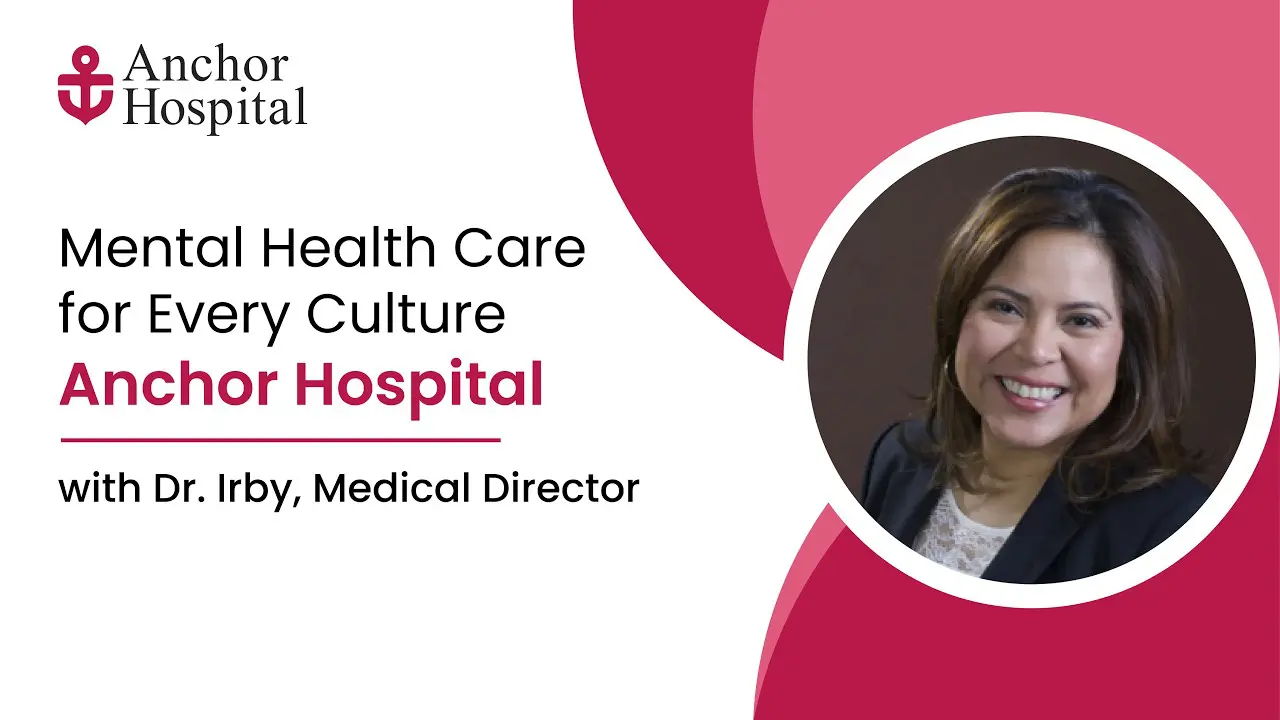
As Dr. Irby explains, asking for help can be one of the strongest decisions a person makes. Together, we can help you find the next step toward feeling better.
In a mental health crisis, call 988 or go to the nearest ER.
For a physical health emergency, call 911 or go to the nearest ER.
Research Sources